Teaching

Understanding must precede procedure. The classroom is where principle meets practice.

Why Before What

Over more than two decades in national security, a pattern recurred: highly trained practitioners who knew precisely what to do but could not explain why they were doing it. In well-defined situations, they performed effectively. When circumstances shifted — when the adversary adapted, when the rules of engagement became ambiguous, when the mission evolved faster than the training — many struggled. They had been equipped with procedures but not with principles. They had been trained for the known and were unprepared for the unknown.

My central conviction as an educator is that understanding must precede procedure. Before a student can meaningfully engage with what to do or how to do it, they must first understand why it matters — the strategic logic, the historical context, the ethical stakes, and the human consequences at play. When students understand the why, the what and how become intuitive rather than mechanical. When the situation is not clearly defined — as it rarely is in real-world security environments — a student who understands foundational principles can reason through ambiguity. A student who only knows procedures cannot.

I measure the success of my teaching not by whether students have mastered a body of content, but by whether they have developed the capacity to think clearly under uncertainty, evaluate evidence critically, communicate their reasoning with precision, and act with professional and ethical judgment when the situation does not fit the template. These are qualities that cannot be transmitted through lecture alone. They are cultivated through dialogue, through challenge, through the sustained experience of being asked — week after week — not only what you think, but why.

Discussion Over Lecture

A pedagogical commitment, not an aesthetic preference. Lectures transmit information. Discussion builds understanding. Classroom time is structured around questions, cases, and problems — the lecture serves as scaffold, not ceiling.

Practitioner Experience as Evidence

Real-world experience is brought into the classroom to illustrate, not to impress. Students are expected to interrogate examples drawn from operational experience with the same critical rigor applied to any other source.

Active Scholarship as Obligation

Faculty in applied national security fields must remain active scholars. A faculty member whose knowledge was formed by past experience alone is, over time, teaching a discipline that no longer exists.
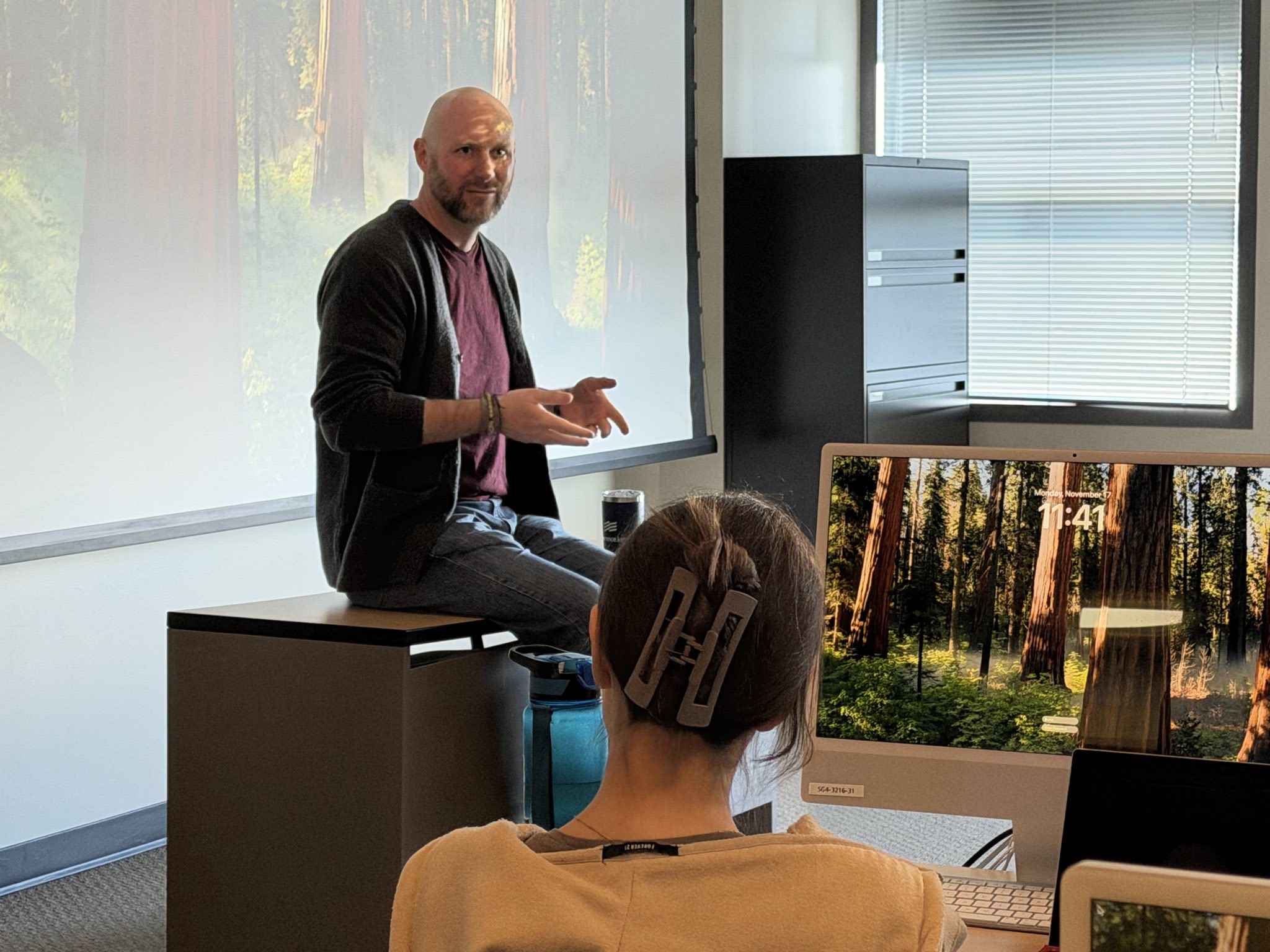
Dr. McNeil teaching a data privacy lecture

Data Privacy & Digital Communication Lecture
Current Teaching Roles

Adjunct Professor

Columbia Southern University

Current
College College of Safety & Emergency Services
Since 2026

Teaching graduate and undergraduate courses in the Homeland Security program. Curriculum emphasizes the intersection of intelligence doctrine, policy analysis, and the security challenges posed by strategic competition, emerging technology, and domestic threat environments. Courses are structured around the foundational principle that practitioners must understand why before they can apply how.

Counterintelligence Program Director

The Academy

Current
Program Counterintelligence
Since 2026

Directing the counterintelligence curriculum and education program. Responsible for program development, instructional design, and ensuring that CI education reflects current doctrine, threat environments, and operational realities. Brings practitioner experience across Army CI, DIA, ODNI, and Joint Staff into the curriculum development process.

Prior Appointment — Joint Counterintelligence Training Academy (JCITA)

From 2017 to 2022, Dr. McNeil served as Senior CI Instructor and Section Chief at JCITA, Quantico — the Department of Defense's primary counterintelligence training institution. He was responsible for curriculum development, section leadership, and instruction across multiple CI disciplines. JCITA courses carry undergraduate academic accreditation, and this instructional record forms the foundation of his formal teaching portfolio.

Guest Lectures

University of Maryland

Department of Communication

Guest lectures on data privacy, digital surveillance, and the national security dimensions of personal data in an adversarial environment. Engagements connect the theoretical frameworks of communication studies to real-world intelligence and policy contexts that students entering careers in media, government, and technology will encounter.

George Mason University

Intelligence Analysis & National Security Programs

Guest lectures in the Intelligence Analysis and National Security programs, covering counterintelligence doctrine, great-power competition, and the evolving role of CI as a strategic warfighting function. Engagements are designed to bridge academic frameworks with the operational and policy realities that graduates entering the intelligence community will face.

The Institute of World Politics

National Security & Strategic Intelligence

Guest engagements and seminar participation at IWP — his doctoral institution — covering statecraft, counterintelligence strategy, and the philosophical foundations of American national security. Doctoral alumnus, 2026.

Available for Additional Engagements

Universities, Think Tanks & Professional Programs

Dr. McNeil accepts guest lecture invitations from university programs, policy institutes, and professional education programs on topics within his areas of expertise. Engagements can be structured as single lectures, seminar series, or executive education sessions.

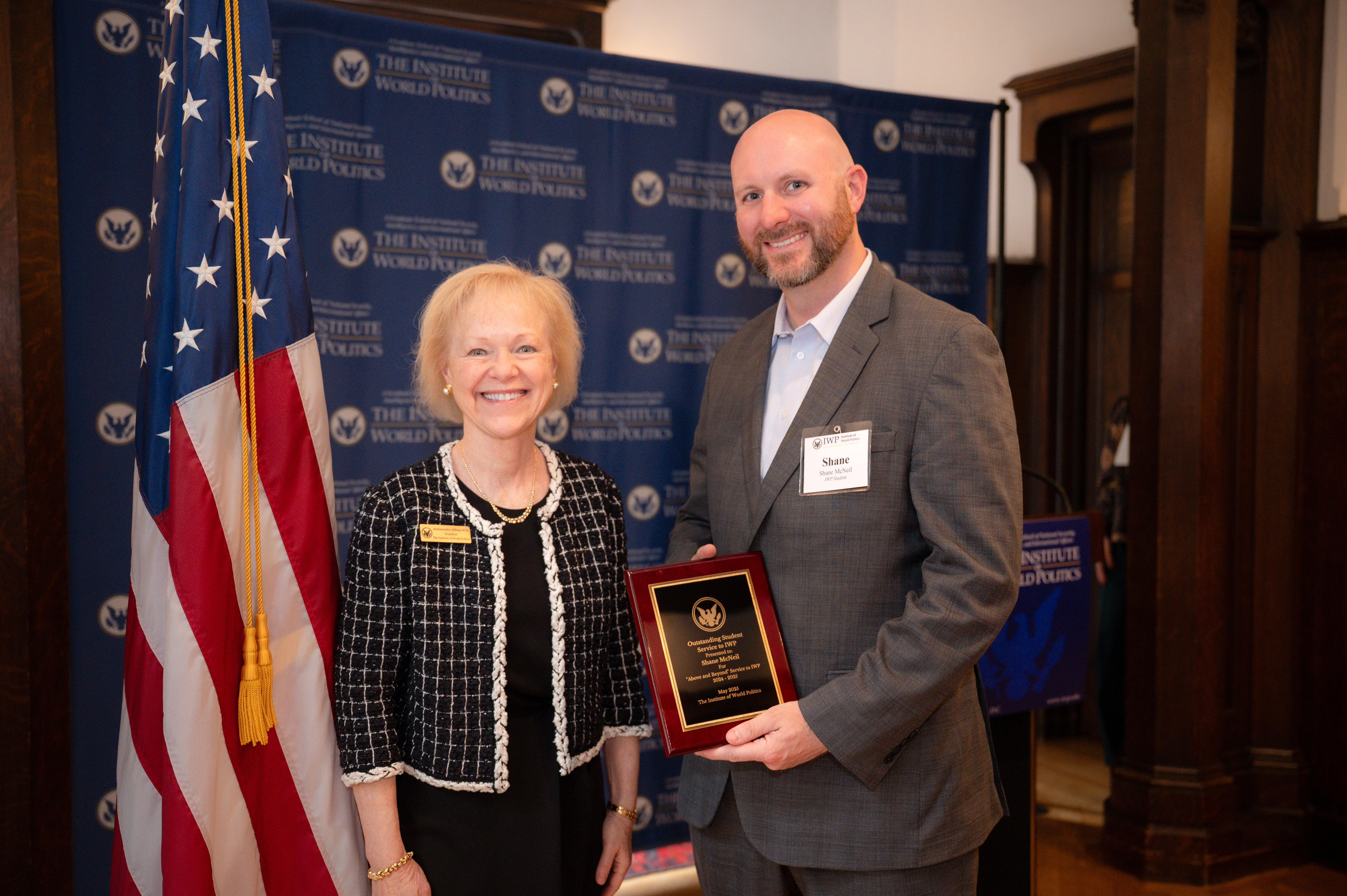
Dr. McNeil at The Institute of World Politics

The Institute of World Politics — Commencement 2026

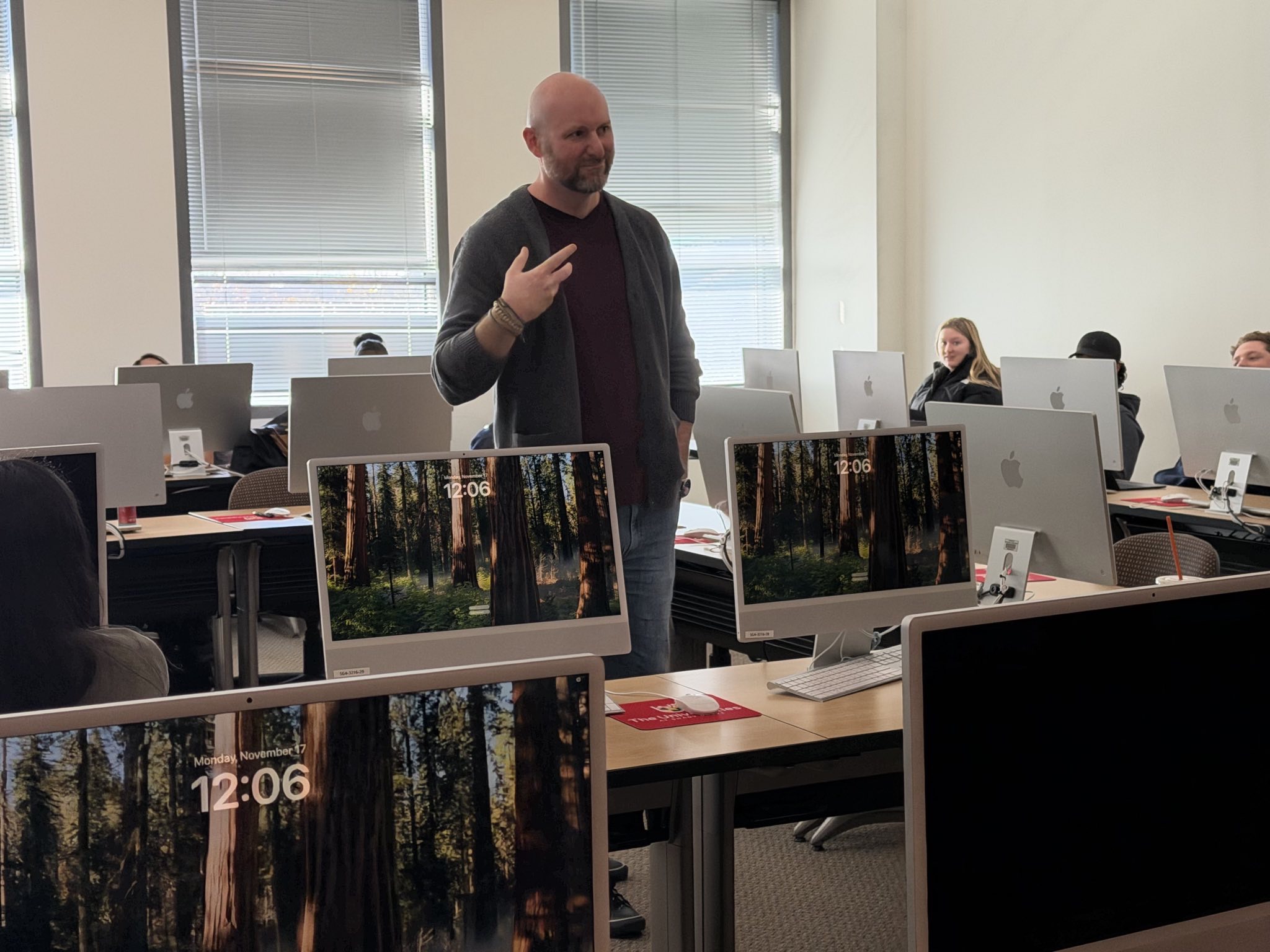
Dr. McNeil guest lecturing

Guest Lecture — University Program

Bring Dr. McNeil to Your Program

Available for guest lectures, seminar engagements, executive education sessions, and curriculum consulting for university programs and professional training organizations.

Submit a Lecture Inquiry  →